SierpinskiCam: Camera-Controlled Video Retaking with Sierpinski Triangle Pattern Cues

1University of Michigan, Ann Arbor    2VISTEC, Thailand
* Equal contribution    † Corresponding author

Abstract

Method

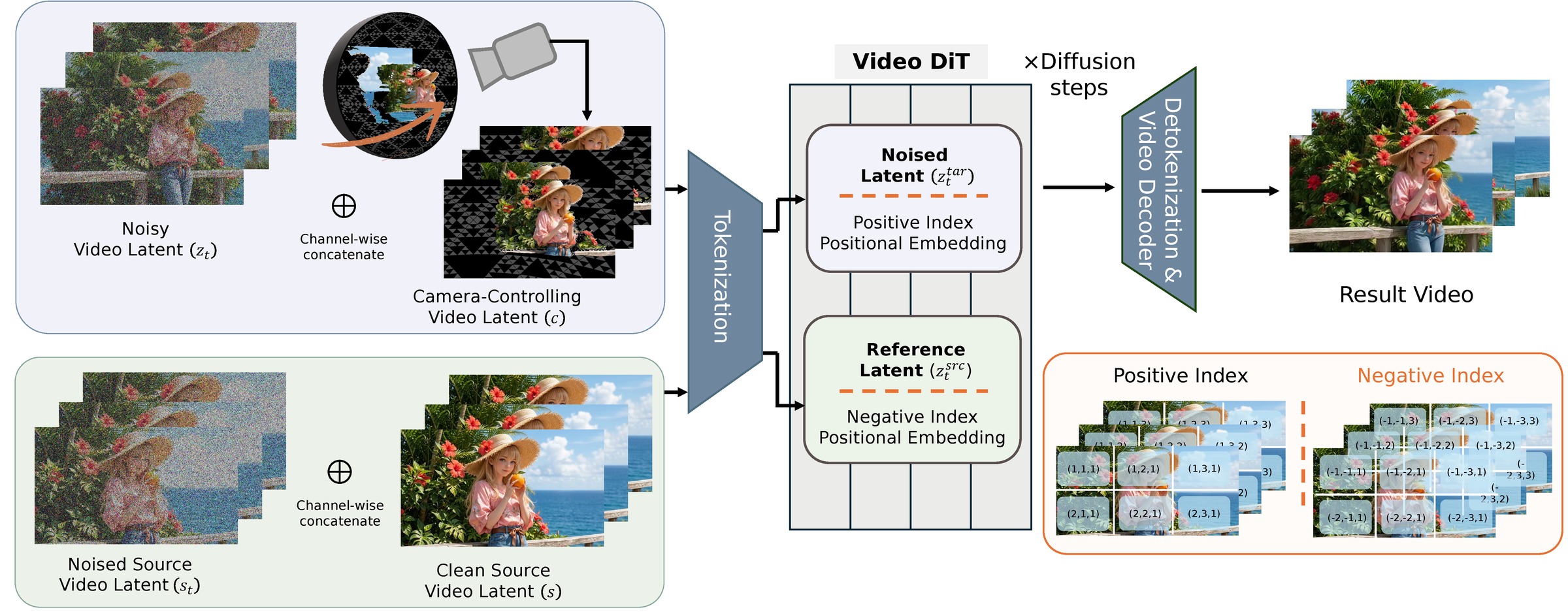
SierpinskiCam tackles two core conditioning questions in video retaking: how to inject a target camera trajectory (for precise viewpoint control) and how to inject the source video (for faithful appearance preservation).
SierpinskiCam method overview
Figure: SierpinskiCam pipeline. Given a source video and target camera trajectory, we (1) reconstruct geometry-based proxies via depth and point tracks, (2) fill unobserved regions with a Sierpinski-textured dome, and (3) inject the source video via NegRoPE for appearance grounding during diffusion.
Contribution 1

Sierpinski Textured Dome

When the target camera reveals regions outside the original observation, geometry-based guidance becomes sparse or ambiguous. We add a Sierpinski fractal texture to the surrounding dome so that newly visible regions still contain multi-scale, trackable visual cues. These cues make the target camera motion easier to infer and help the diffusion model maintain stable geometry under large viewpoint changes.

Contribution 2

NegRoPE: Negative Rotary Position Embedding

Source and target video tokens are concatenated into a shared transformer sequence — but if they share the same positional indices, the model attends by index rather than semantics.

NegRoPE assigns target tokens positive spatial indices (+n) and source tokens negative indices (−n). Because the RoPE of −n is the complex conjugate of +n, this elegantly separates the two streams with zero architectural modification or per-video fine-tuning.

Why Sierpinski? — Multi-Scale Trackability

No dome condition
Without dome texture (sparse in background)
Sierpinski dome condition
With Sierpinski dome (dense motion cues everywhere)

The Sierpinski fractal provides structural details at both near and far views thanks to its self-similar, multi-scale nature — unlike checkerboard or single-scale patterns that degrade at large viewpoint changes.
Qualitative Comparison

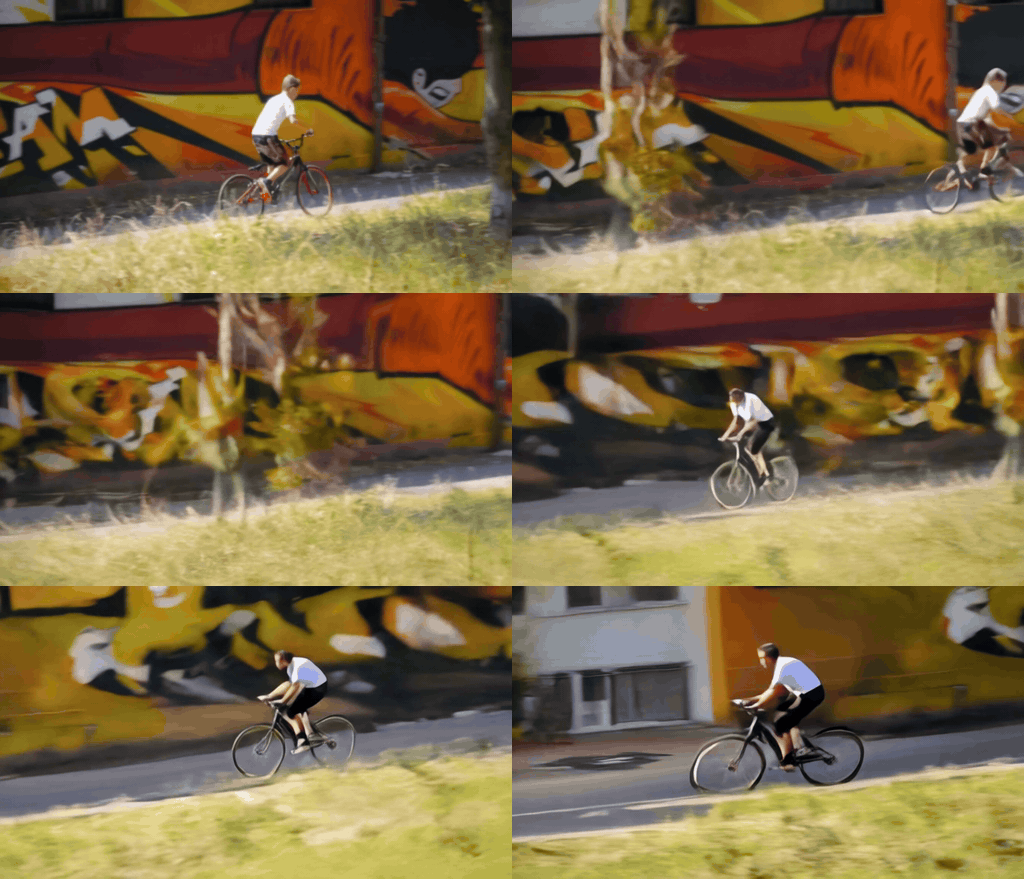
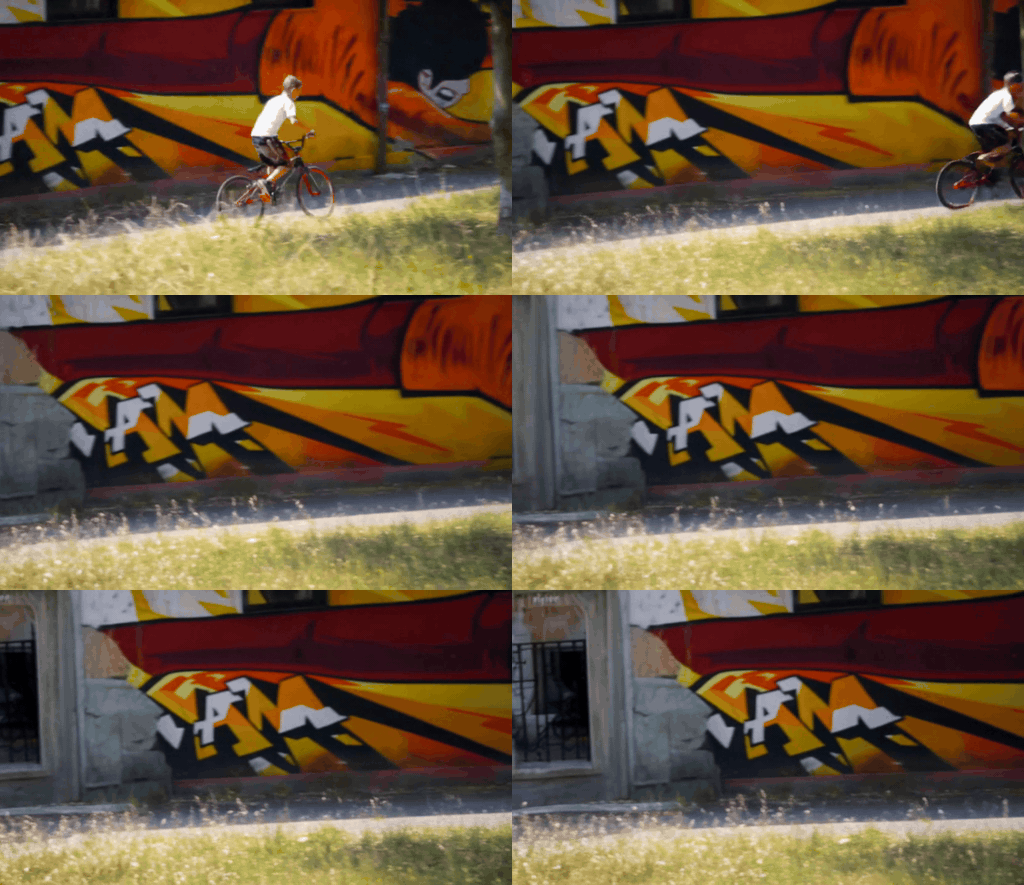
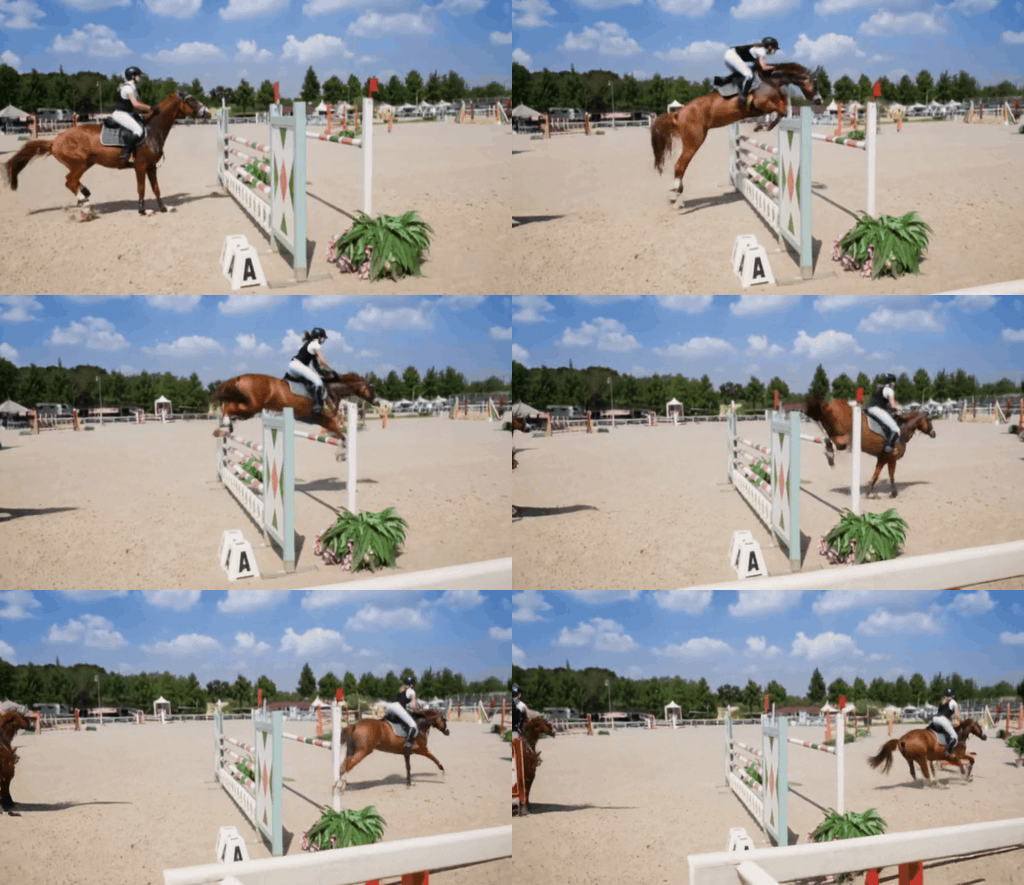
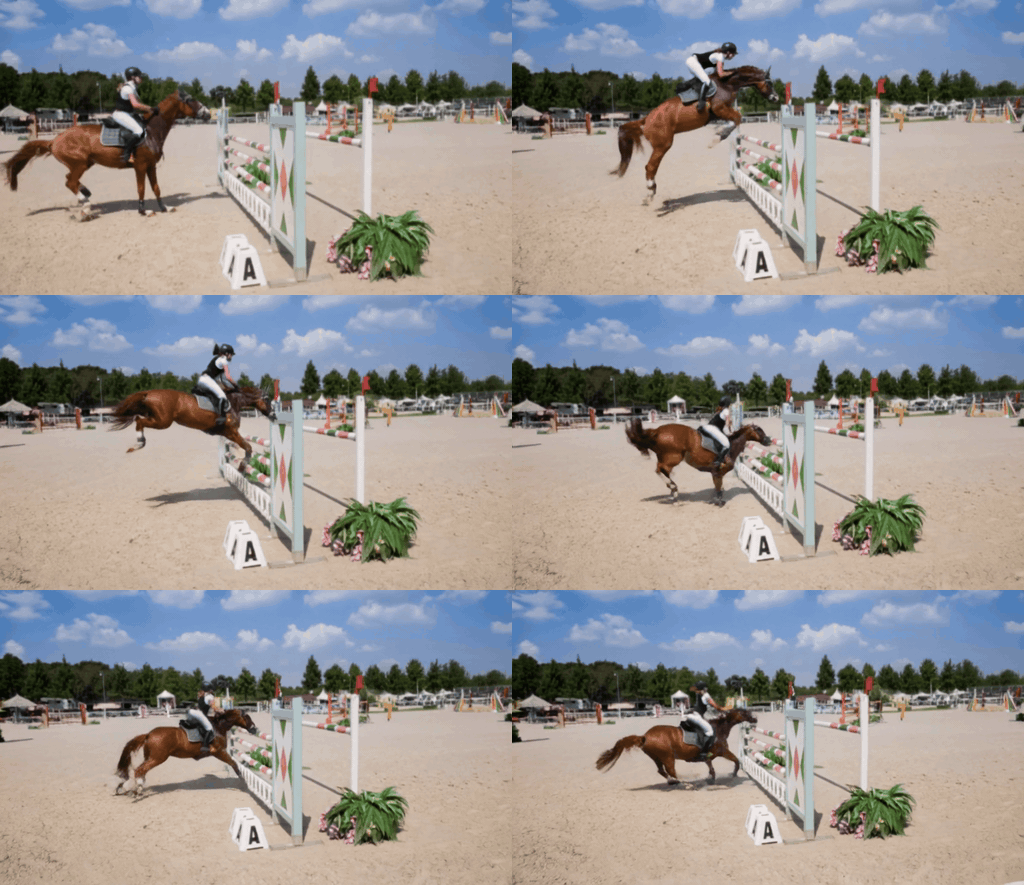
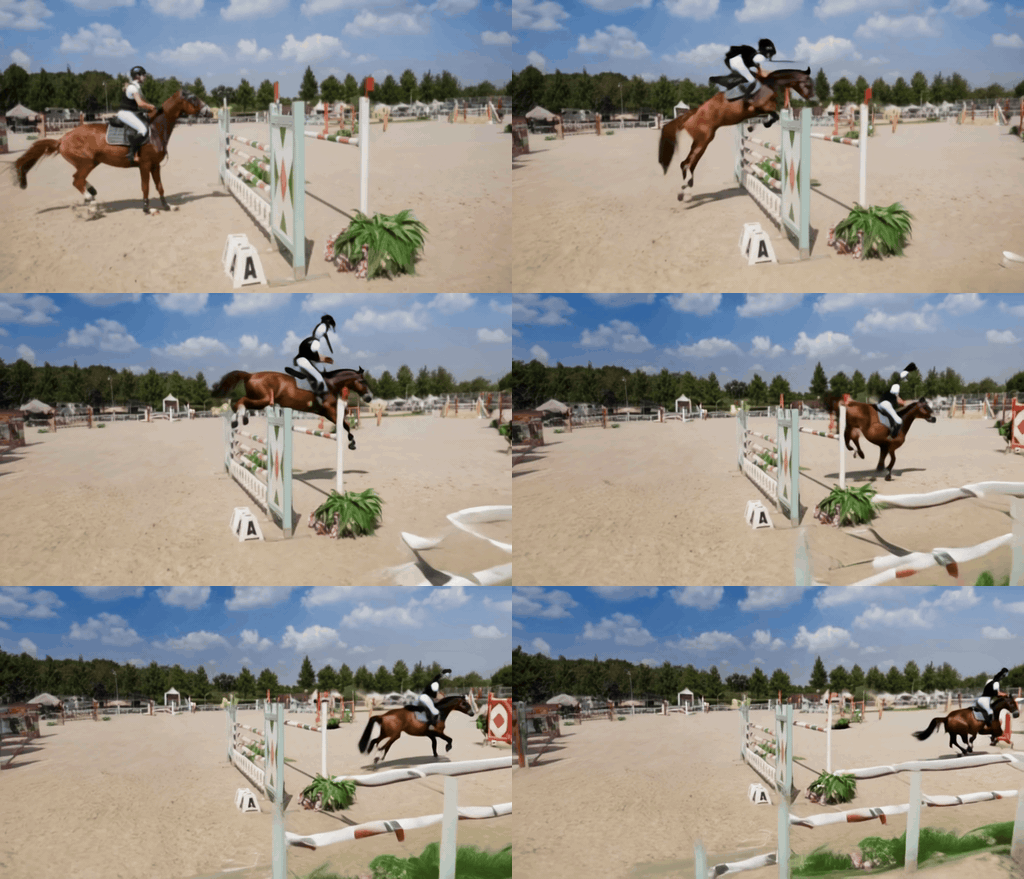
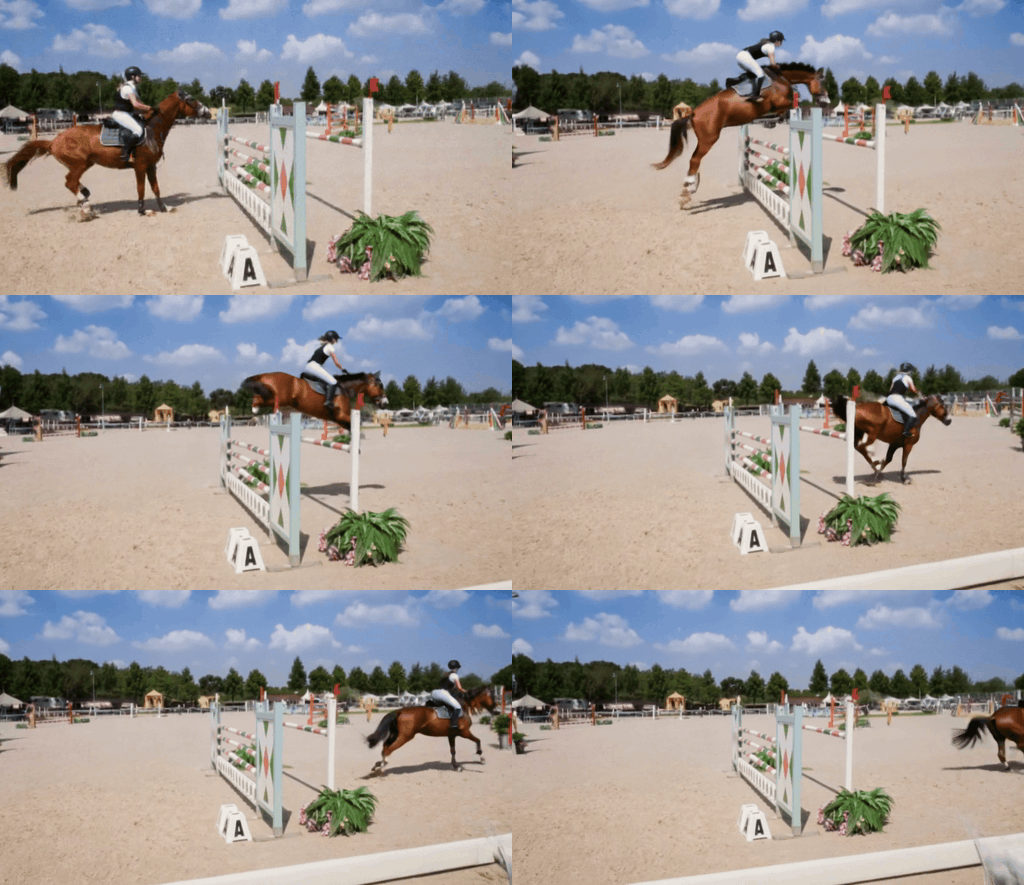
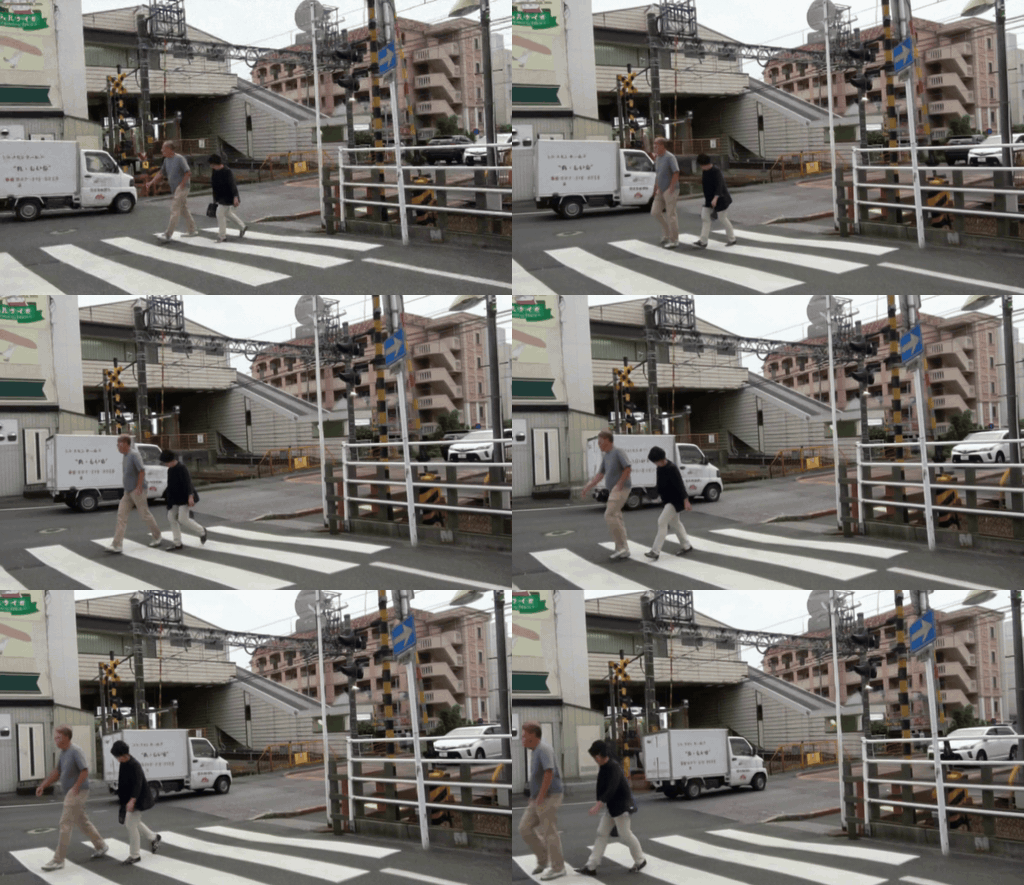
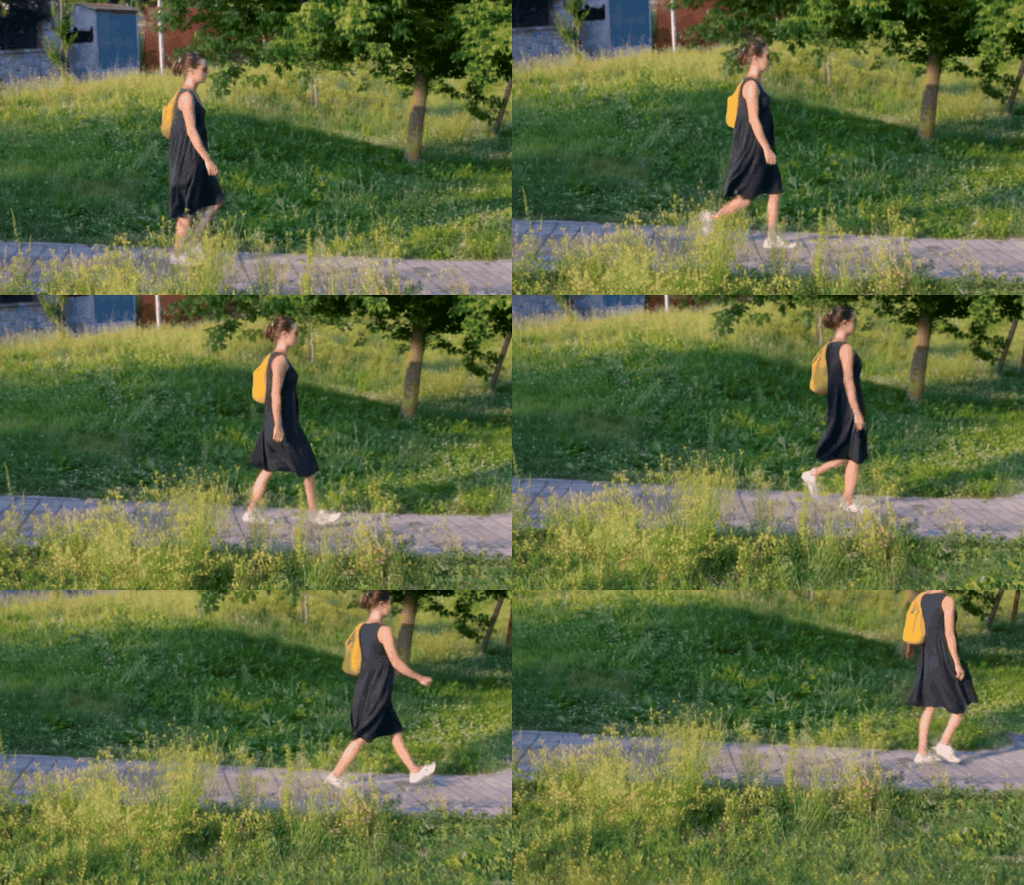
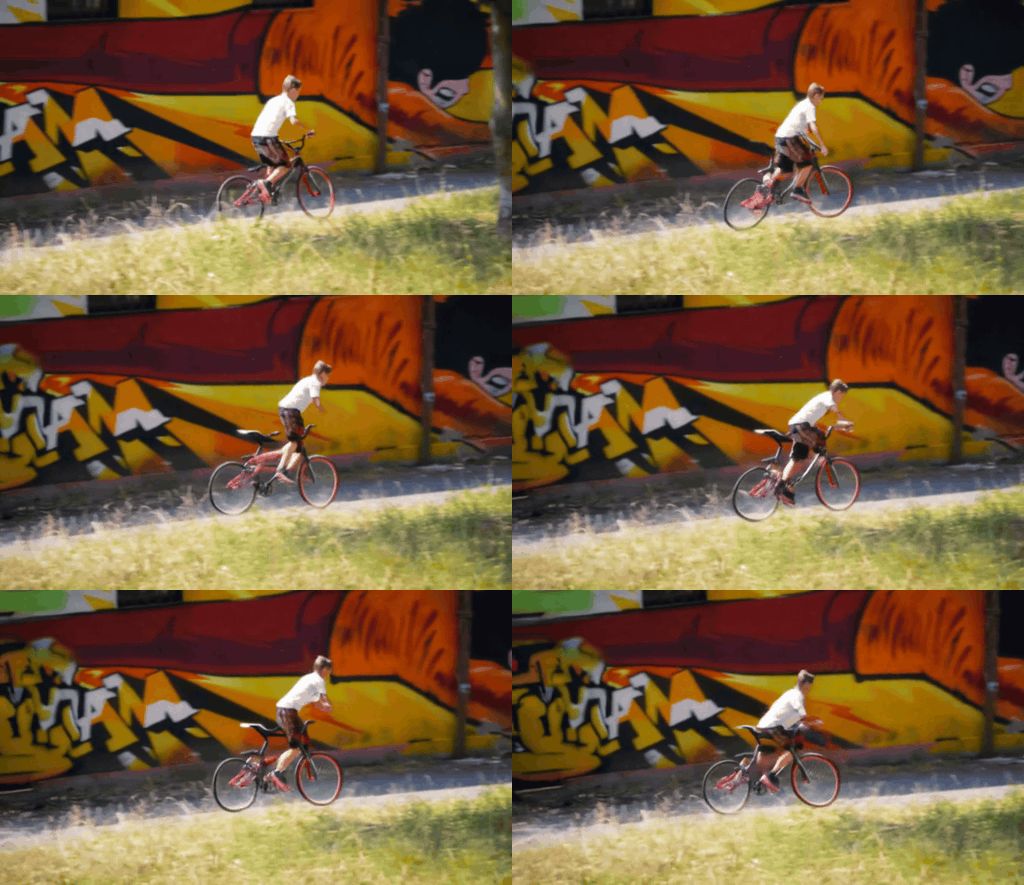
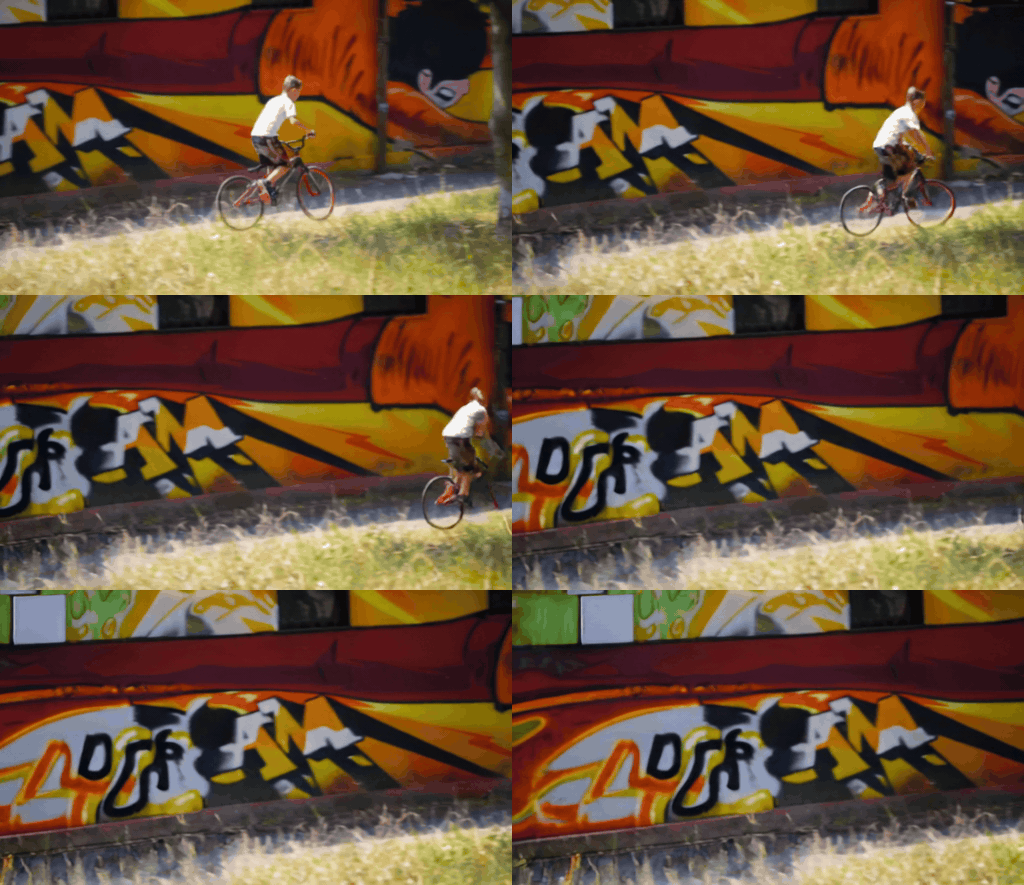
We compare against implicit methods (ReCamMaster, ReDirector) and explicit method (TrajectoryCrafter) on DAVIS videos with challenging camera trajectories. Implicit methods tend to keep objects anchored even when they should leave the frustum; TrajectoryCrafter fails in sparse-guidance regions. SierpinskiCam faithfully follows the target trajectory while preserving scene dynamics.

ReCamMaster ReCamMaster BMX Trees
ReDirector ReDirector BMX Trees
TrajectoryCrafter TrajectoryCrafter BMX Trees
Ours (SierpinskiCam) Ours BMX Trees
ReCamMaster ReCamMaster Horsejump
ReDirector ReDirector Horsejump
TrajectoryCrafter TrajectoryCrafter Horsejump
Ours (SierpinskiCam) Ours Horsejump

More Results

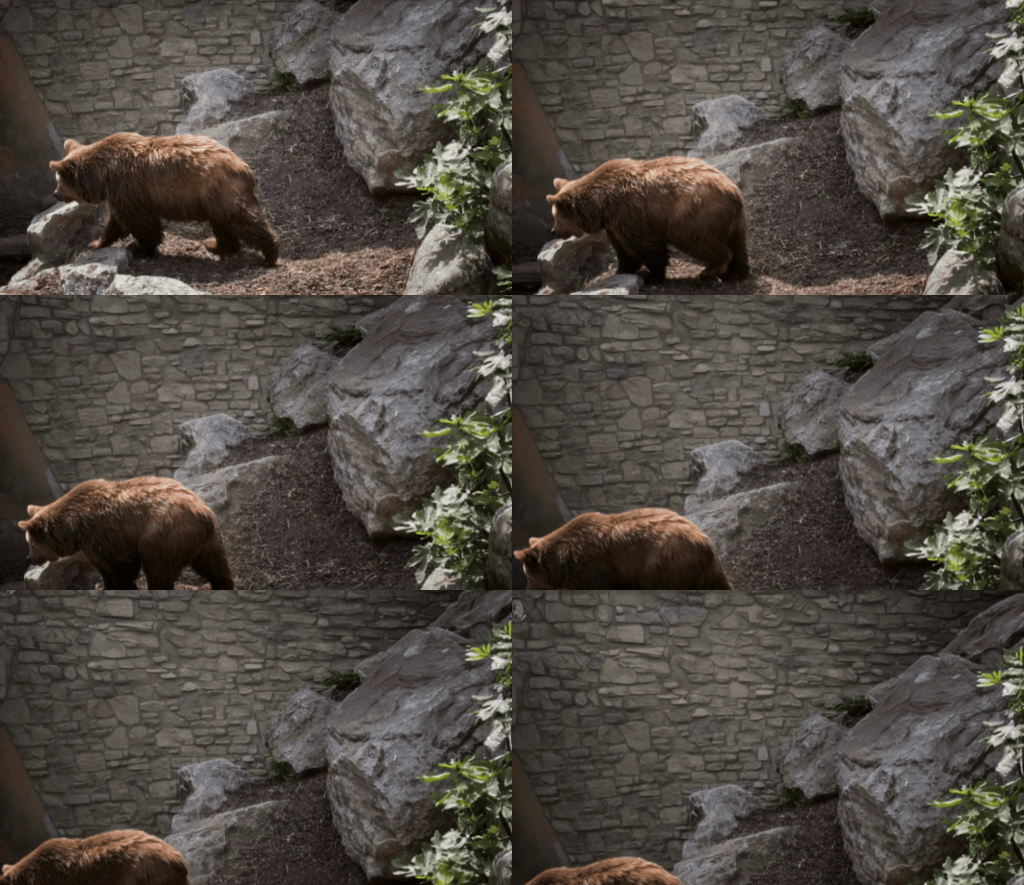
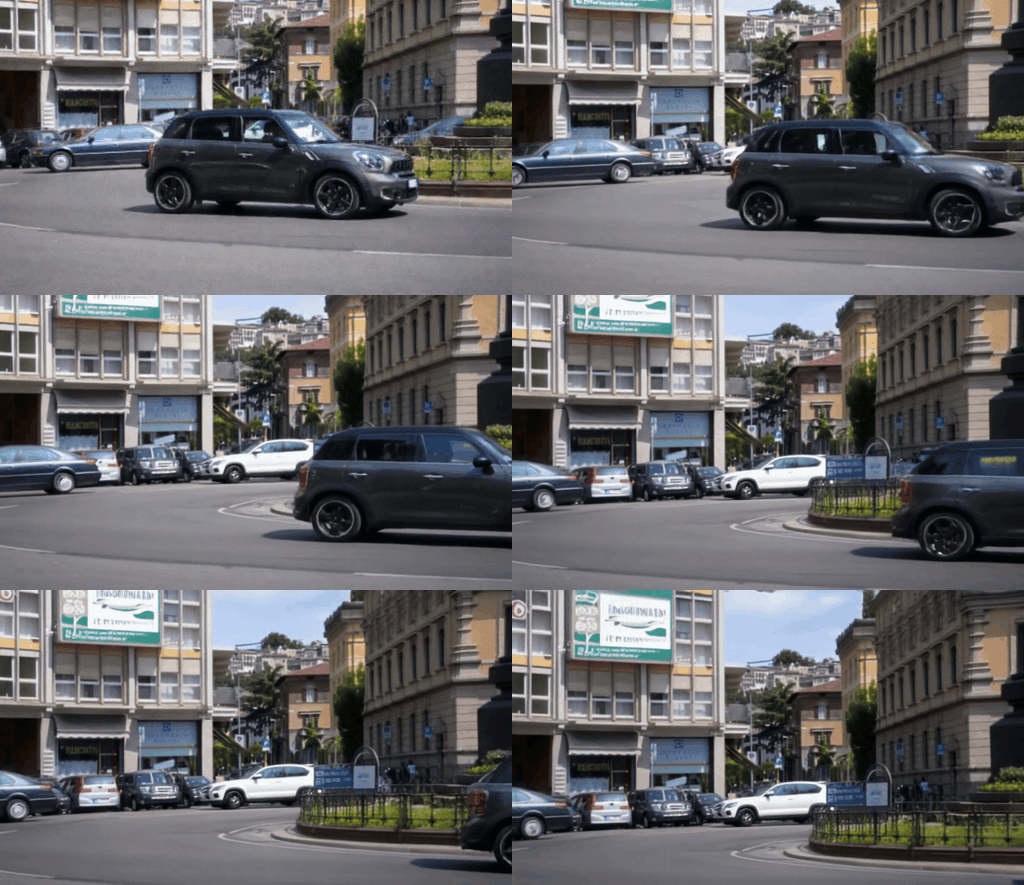
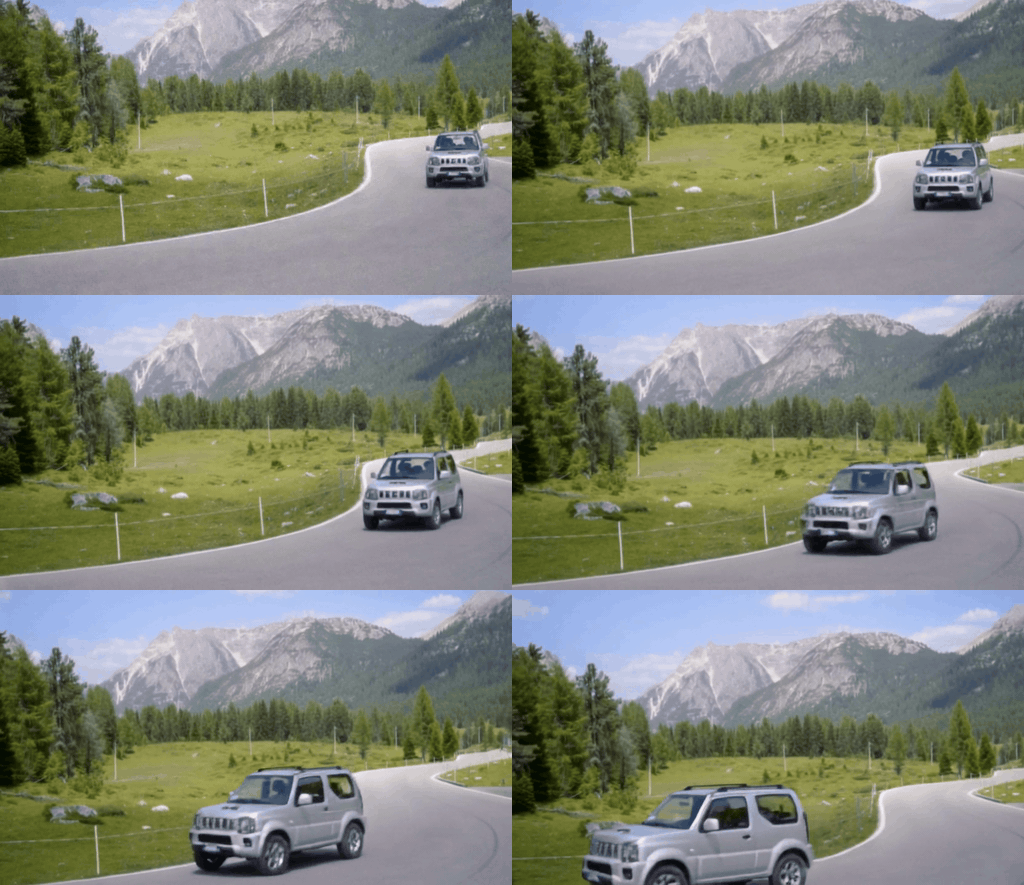
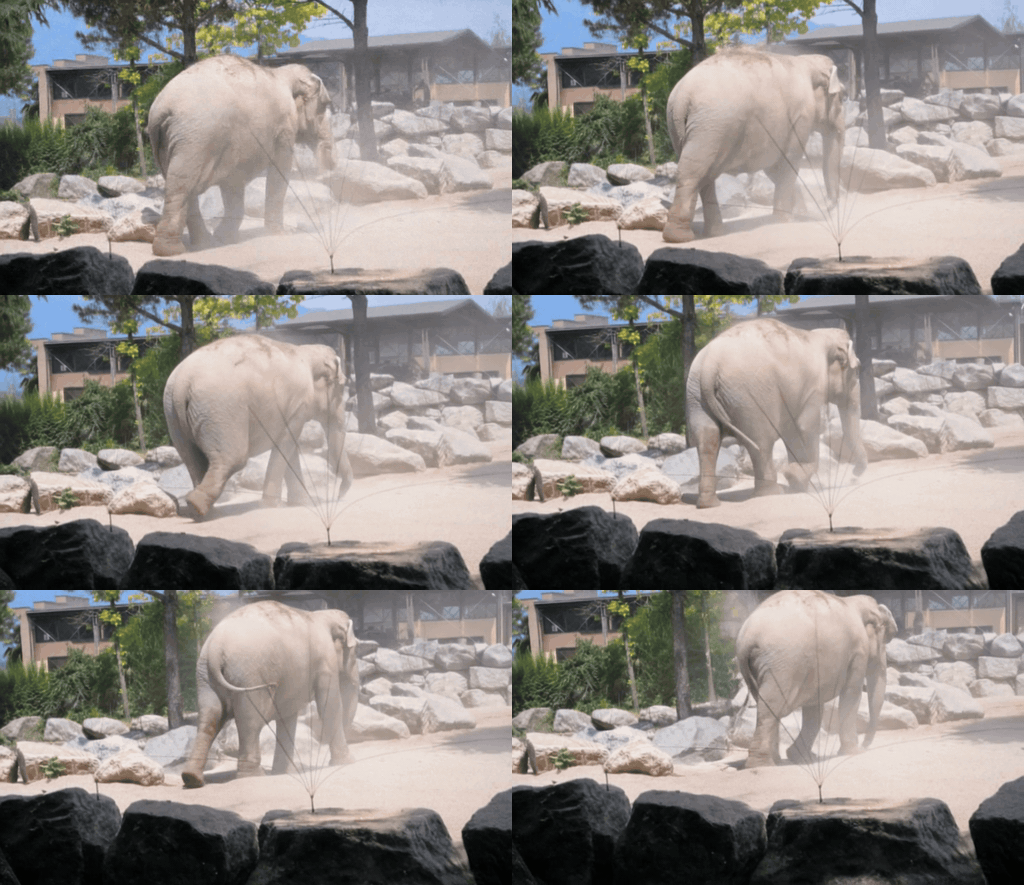
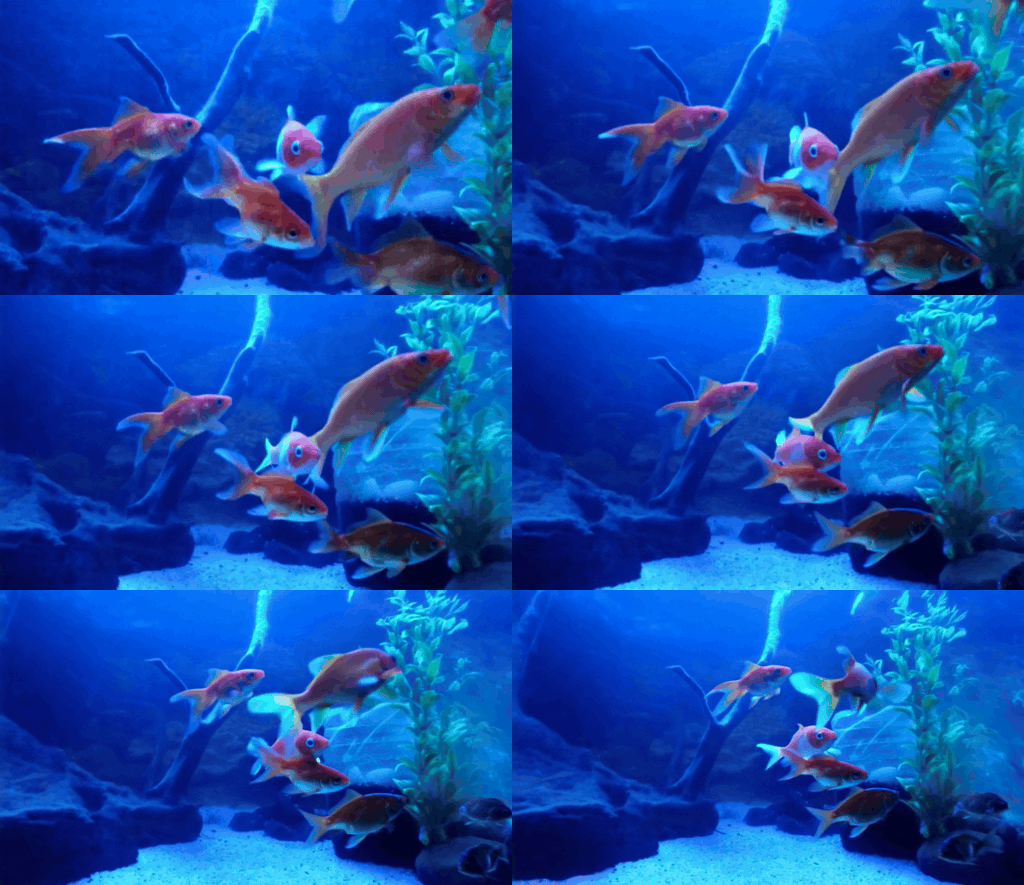
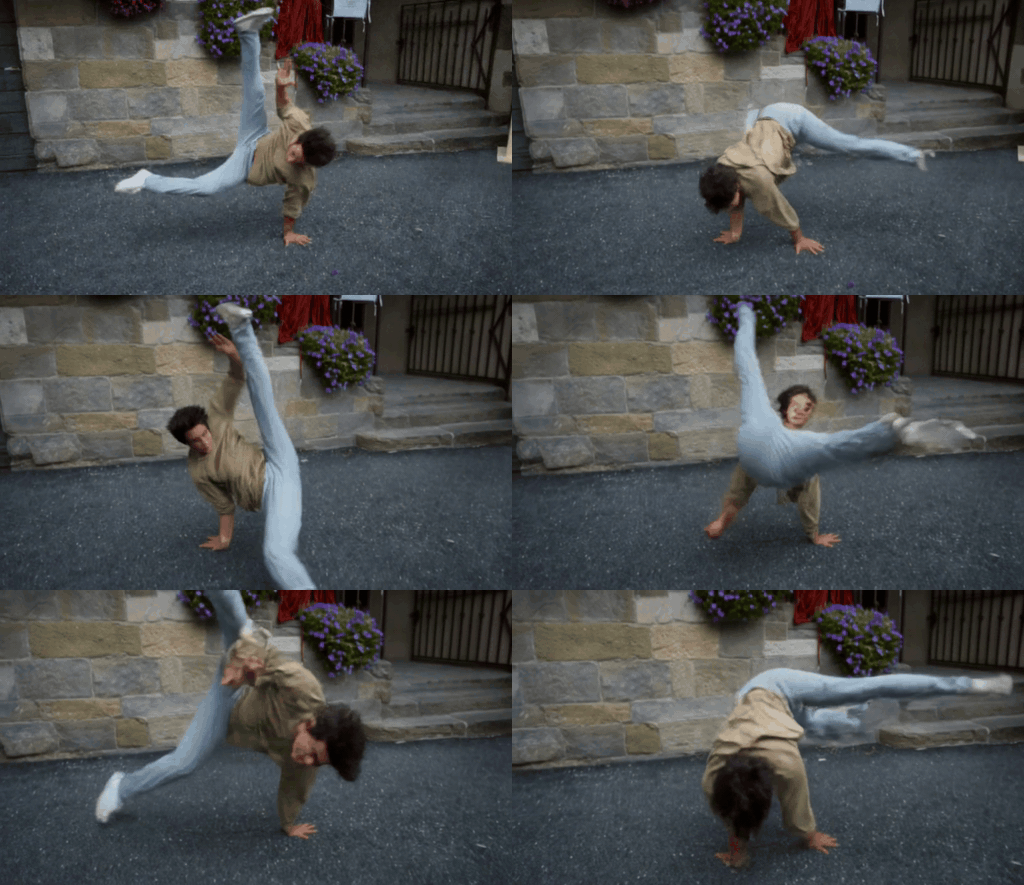
SierpinskiCam on diverse DAVIS sequences with varied camera trajectories, trained on Wan2.1 Fun-Control 14B.

Bear
Car Roundabout
Car Turn
Elephant
Gold Fish
Breakdance
Crossing
Lucia

BibTeX

BibTeX coming soon.